🔄
Skip to content

Why dancing is good for your health

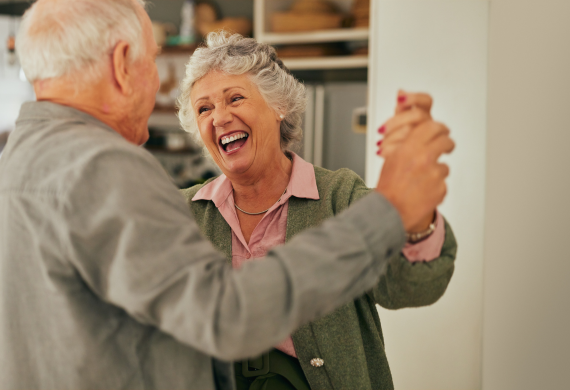
Did you know that dancing promotes health and not only gets your body moving but also gives your brain a real boost? Whether it's salsa, line dancing, or swing – those who dance regularly also train their cognitive abilities (brain performance). And the best part: you don't need any medical expertise to understand why. Here, we'll show you – explained simply – how dancing strengthens your brain and keeps you healthy and alert.

1. Dancing is good for the brain

When you learn new dance steps and choreography, your brain learns along with you. It forms new connections – like little paths that, through constant practice, become highways. This keeps you mentally agile and helps you remember things better. Think of it as a mental workout to music. clothing where you feel comfortable!

2. Dancing for health and against forgetfulness

Studies suggest that people who dance are less likely to develop memory diseases like dementia in old age. Why? Because dancing activates many brain regions simultaneously – this keeps the brain cells fit and ensures that they form better connections.

3. Better connection in the brain

When you move to music, you're not just training your legs, but also the coordination between different areas of your brain. This allows your mind to process information faster and more clearly – like a well-coordinated dance couple who understand each other without words.

4. More creativity and daydreams

When you dance, you often enter a pleasant flow state – this promotes creative thinking and gives you space for new ideas. Furthermore, your brain recalls happy moments – a kind of mini-time trip back to feelings of happiness.

5. Less stress, more good mood

The effects of dancing on the psyche are well-documented scientifically. It automatically regulates your emotional life – like a short, danceable therapy session against everyday stress.

6. More oxygen for the brain

Dancing promotes brain health: After just a few dance steps, your pulse increases – this brings fresh blood (and therefore oxygen) to the brain. You feel clearer-headed, more attentive, and often in a better mood.

7. Strong bones, strong mind

Dancing not only trains your muscles but also strengthens your bone health. Furthermore, dancing improves your body awareness and balance. This helps prevent fractures and allows you to move safely as you age.

8. Dancing together creates a bond.

Whether in a class or at a party – dancing
It creates closeness. Moving together fosters a sense of belonging. And
Social contacts are known to be the best nourishment for our mental well-being.
Balance.

Dancing is the ideal brain training with a guaranteed fun factor!

Forget Sudoku and concentration apps – dancing is the new brain training! So grab your dance shoes And get your brain cells working. Dancing is joy, movement, community – and a real boost for your brain. Especially as you get older, regular dancing helps you stay mobile and mentally fit. Dancing is more than a workout – it's a true miracle cure for your mental health.

FAQ about the connection between dancing and health

What are the health benefits of dancing?

Dancing brings movement into everyday life, strengthens the cardiovascular system, and improves coordination. Regular physical activity like dancing can contribute to overall well-being and improve body awareness.

How many calories does dancing burn per minute?

Depending on the dance style, intensity, and duration, calorie consumption ranges from four to eleven calories per minute. Dances with a high tempo or many jumping movements particularly boost energy expenditure.

Can dancing reduce the risk of dementia?

Dancing promotes both movement and concentration, which can stimulate cognitive processes. Studies suggest that regular dancing may be linked to a more active brain. However, medical advice is recommended if there is a specific risk.

Is dancing as strenuous as jogging?

Intensive dance styles like Zumba or jazz dance reach similar levels of exertion as jogging. However, the physical exertion can be perceived as more pleasant due to the music and rhythm.

Which dance styles are particularly good for mental health?

Dance forms like Biodanza, free dance, or modern dance promote emotional expression and self-awareness. Many people report that dancing helps reduce stress and feel more balanced. Regular dancing is especially beneficial in old age, helping to maintain mobility and mental fitness. One could even say that dancing is a form of medicine – completely without side effects.

What is Biodanza and how does it affect health?

Biodanza combines music, movement, and group work. Its aim is to strengthen body awareness and social connection. The effects are individual and can range from inner balance to increased self-esteem.

What are the risks associated with dance medicine and how can they be avoided?

As with any physical activity, overexertion or incorrect technique can lead to discomfort. Dancing under instruction, taking adequate breaks, and listening to your body can reduce the risk.

At what age is dancing beneficial for seniors?

Dancing is possible at any age and is offered for older people in many cities. It can help to stay active, make new social contacts, and maintain mobility.

How does dancing strengthen the brain and emotional bonds?

Dancing requires attention, coordination, and memory – thereby activating mental processes. Dancing in a group can strengthen the sense of community and promote positive emotions.

How often do I need to dance to meet the WHO's exercise recommendations?

The World Health Organization recommends at least 150 minutes of moderate-intensity exercise per week – regular dancing can contribute to this. Even short sessions several times a week make a valuable contribution to everyday movement.

Seek

Shopping cart

Your shopping cart is empty.

Sorry, we could not find any products in your shopping cart.

Continue shopping